
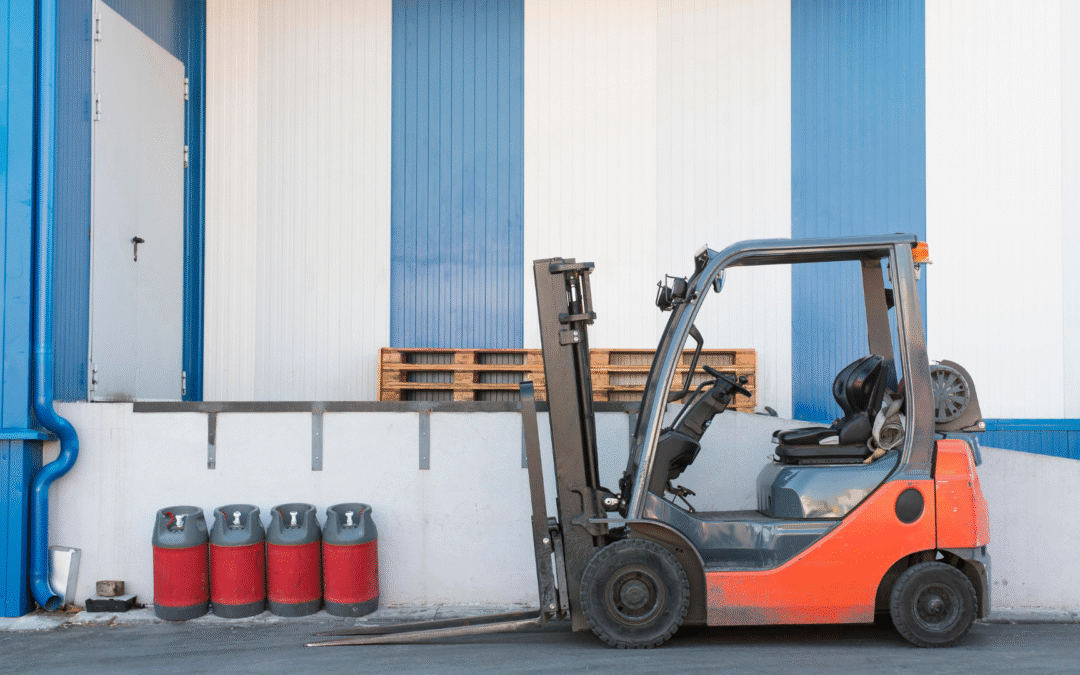
Forklifts are the backbone of warehouses, construction sites, retail distribution centers, and countless businesses that depend on moving heavy loads quickly and safely.
For years, companies have faced the question of whether to purchase equipment outright or look into rental options.
In 2025, the decision is even more important, as businesses aim to stay agile in a changing economy.
Understanding the forklift rental benefits can help you decide if it makes more sense to rent forklifts in 2025 instead of committing to a full purchase.
The Flexibility of Forklift Rentals
One of the biggest forklift hire benefits is flexibility.
Buying a forklift is a long-term commitment, and your needs today may not match your needs tomorrow. Renting gives you the freedom to scale your fleet up or down depending on workload and seasonal demand.
For example, retailers experience spikes in demand during the holiday season and may need more forklifts for a few months. Renting allows them to meet those temporary needs without paying for equipment that will sit idle afterward.
This flexibility also applies to project-based industries like construction, where forklifts may only be needed for a limited time. Instead of investing in ownership, renting ensures you have the right number of machines only when you need them.
Cost Savings and Budget Control
The cost of renting forklifts is often much easier to manage than the financial burden of purchasing. Buying requires a large upfront investment that ties up capital, whereas renting spreads costs out over time and frees cash flow for other priorities like inventory, payroll, or expansion.
Businesses also avoid hidden expenses that come with ownership. Purchased forklifts require ongoing maintenance, repairs, insurance, storage, and even potential resale losses when it’s time to upgrade. Rental agreements often include servicing and maintenance, making it easier to budget without unexpected repair bills.
When considering forklift rental vs buying, the financial flexibility of renting often gives it the edge, especially for small and medium-sized businesses looking to manage resources carefully in 2025.
Access to the Latest Technology
Technology in material handling equipment is advancing quickly.
From energy-efficient electric forklifts to models with smart sensors and telematics, the forklifts of 2025 are more advanced than ever before.
Owning a forklift can mean being stuck with outdated technology for years, while renting allows you to access the latest models without the pressure of replacing older equipment.
This is one of the major forklift leasing advantages. Renting ensures your team has access to modern equipment that can increase productivity, reduce downtime, and meet environmental regulations.
Many companies find that the efficiency gains alone make renting the smarter choice compared to holding on to aging equipment.
Reduced Maintenance Hassles
Maintenance is one of the less obvious but critical factors in the renting vs buying forklifts decision. Ownership comes with the responsibility of regular servicing, dealing with breakdowns, and ensuring compliance with safety regulations. These tasks require dedicated staff, parts, and budget.
Rental agreements often shift that responsibility to the supplier. If a forklift breaks down, the rental company typically provides a replacement or handles repairs quickly, ensuring minimal disruption. This reduces downtime and lets your team stay focused on operations rather than equipment upkeep. For many businesses, avoiding maintenance headaches is one of the most practical forklift hire benefits.
Meeting Seasonal and Short-Term Demands
Not every business needs forklifts year-round. Seasonal industries such as agriculture, retail, and event logistics often experience peaks in demand. Owning forklifts in these cases can mean having expensive equipment sit unused for most of the year.
The option to rent forklifts in 2025 provides a cost-effective solution. Companies can rent additional machines during busy months and return them when demand slows. This flexibility eliminates wasted resources and ensures equipment is only used when it adds value.
Greater Variety and Customization
Another major benefit of renting is access to a wider variety of forklift types. From narrow-aisle forklifts for warehouses to heavy-duty outdoor models for construction, rental companies offer a broad range of equipment. This means businesses can choose the exact model that fits a specific project without being limited to what they already own.
Customization also plays a role. Rental providers often supply add-ons or specialized attachments that can be tailored to unique jobs. This variety makes renting particularly attractive for companies that handle diverse workloads.
Risk Reduction and Business Agility
The uncertainty of today’s economy has made businesses more cautious with long-term investments. Forklifts represent a significant financial commitment, and purchasing ties your company to equipment that may not suit future needs. Renting minimizes this risk.
If your business changes direction, expands into a new market, or adopts different logistics systems, rental agreements can be adjusted more easily than owned assets. This agility is one of the strongest forklift leasing advantages, allowing companies to respond quickly to industry shifts in 2025.
Environmental and Sustainability Benefits
Sustainability is an increasingly important factor in business decisions. Forklifts that run on electricity or hybrid technology are becoming more common, but purchasing them can be costly. Renting gives companies the chance to use environmentally friendly equipment without the long-term investment.
Rental companies frequently update their fleets to meet emissions standards and energy-efficiency goals. Businesses that prioritize green practices can benefit from using modern, eco-friendly forklifts while avoiding the expense of upgrading their own equipment. This makes renting not just a financial choice, but also an environmental one.
Comparing Renting vs Buying in 2025
The renting vs buying forklifts debate is not new, but in 2025, the balance is shifting more toward renting.
Rising equipment costs, rapid technological advancements, and increased demand for flexibility are pushing businesses to reconsider long-term ownership.
While buying may still make sense for companies with stable, predictable forklift needs and the resources to manage maintenance, most businesses see more advantages in renting. The ability to manage costs, reduce risk, and maintain agility gives renting a clear edge in today’s competitive market.
Final Thoughts
Forklifts are essential to countless industries, but the way businesses acquire them is changing. The forklift rental benefits in 2025 go far beyond saving money. They provide flexibility, access to the latest technology, reduced maintenance responsibilities, and the ability to adapt quickly to changing business conditions.
Whether you run a warehouse, manage seasonal retail operations, or handle construction projects, renting can be the smarter choice. The combination of financial savings, operational efficiency, and business agility makes forklift rental the preferred option for many companies navigating the challenges of today’s economy.
By considering the forklift rental vs buying decision carefully, businesses can ensure they invest wisely in equipment that supports their long-term success. For many, the future lies not in ownership but in the smart, strategic choice to rent forklifts in 2025.


